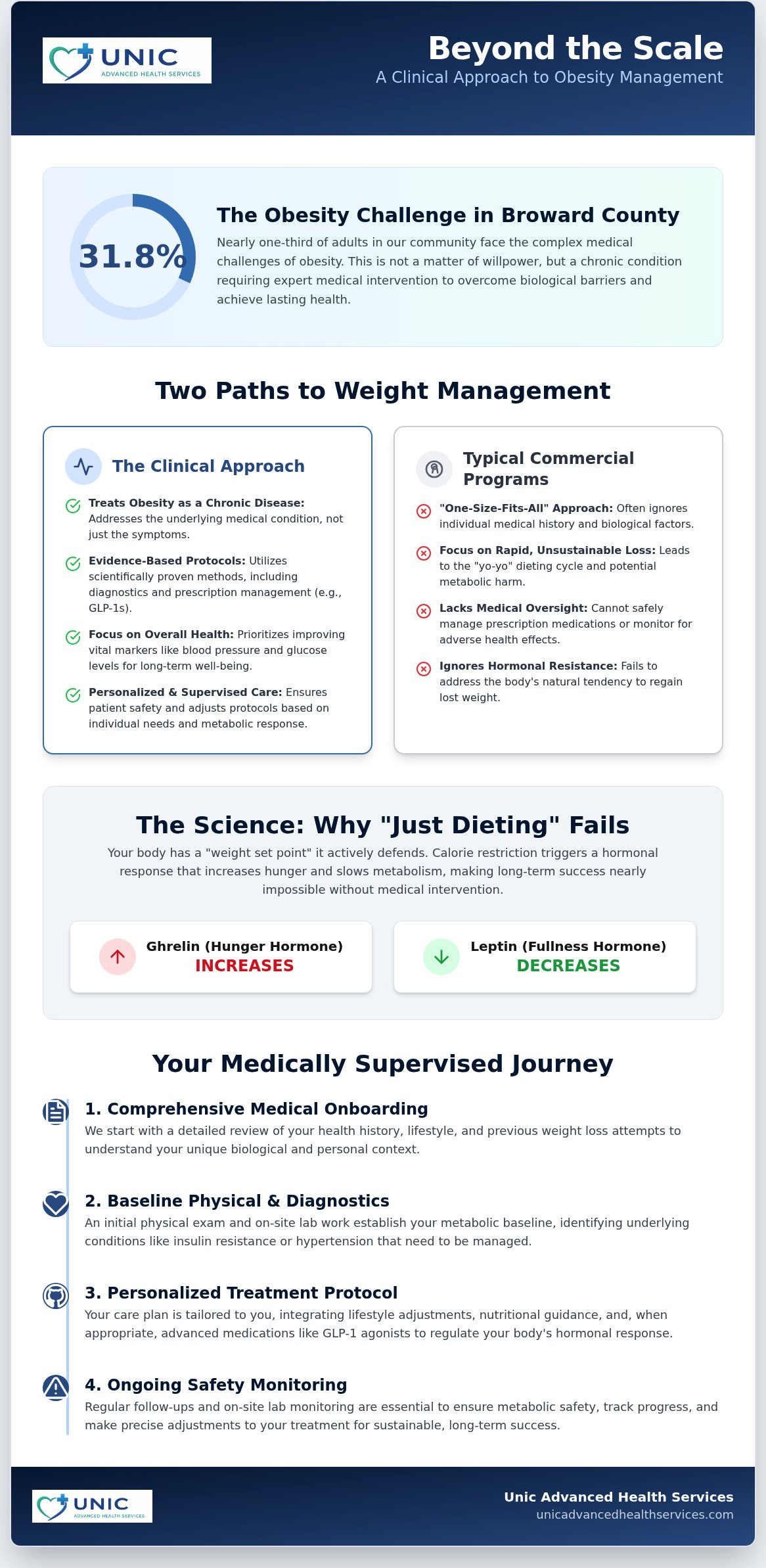
Did you know that 31.8% of adults in Broward County are currently living with obesity? If you’ve spent years trapped in a cycle of yo-yo dieting or feel overwhelmed by the constant noise surrounding new medications like GLP-1s, you aren’t alone. It’s frustrating to face rising blood pressure and joint pain while trying to determine which health strategies are actually rooted in science. Finding a dedicated obesity management clinic Fort Lauderdale residents can rely on is the first step toward moving past the confusion and toward a healthier future.
We understand that weight management isn’t a matter of willpower; it’s a complex medical challenge that requires a steady, expert hand. This article will help you discover how a medically supervised program can help you achieve sustainable weight loss while simultaneously improving your overall health. We’ll preview the latest 2026 clinical protocols, the importance of on-site laboratory monitoring for metabolic health, and how personalized care from a local provider ensures your long-term success. You’ll learn exactly how to manage chronic conditions alongside your weight loss goals with the professional support and clinical oversight you deserve.
Key Takeaways
- Understand the critical difference between commercial diet plans and a clinical approach that treats obesity as a chronic, relapsing medical disease.
- Discover how a dedicated obesity management clinic Fort Lauderdale provides the diagnostic precision and clinical oversight required for sustainable results.
- Learn about the role of GLP-1 receptor agonists and why on-site laboratory monitoring is essential for maintaining your metabolic safety during treatment.
- Explore what happens during a comprehensive medical onboarding, from detailed health history reviews to baseline physical assessments.
- Identify how to choose a provider that offers essential convenience features, such as Saturday appointments and integrated primary care services.
What Is a Medical Obesity Management Clinic?
When patients search for an obesity management clinic Fort Lauderdale residents can trust, they’re often seeking more than just a diet plan. Obesity management is a specialized clinical discipline. It focuses on the long-term treatment of excess adipose tissue and its associated metabolic consequences. Unlike commercial programs that emphasize rapid, unsustainable results, a medical clinic utilizes evidence-based protocols. These protocols include advanced diagnostics, prescription management, and professional oversight to ensure patient safety. We prioritize the improvement of vital health markers, such as blood pressure and glucose levels, rather than focusing solely on the number on a scale.
A clinical approach is necessary because obesity is a complex biological issue. It involves physiological barriers that willpower alone cannot overcome. Factors like hormonal imbalances and metabolic adaptation often prevent long-term success in traditional settings. By treating weight as a chronic medical condition, we can address these internal obstacles. This methodology ensures that weight loss is not just achieved but maintained through scientific intervention and consistent clinical support.
The Role of an Obesity Management Nurse Practitioner
An autonomous nurse practitioner provides a unique advantage in the management of chronic weight issues. They offer personalized, longitudinal care that builds a strong foundation for patient success. NPs are skilled at bridging the gap between complex medical theory and the practical, everyday reality of life in South Florida. This “steady hand” approach is vital for navigating the emotional and physical challenges of a weight loss journey. By maintaining a supportive and welcoming atmosphere, a nurse practitioner acts as a reliable advocate for your well-being. They ensure that every adjustment to your protocol is based on thorough evaluation and empathetic understanding of your specific needs.
Medical Weight Loss vs. Commercial Diet Programs
There’s a significant difference between clinical oversight and the “fad diet” approach common in commercial programs. Commercial plans often ignore the biological resistance that occurs when the body tries to defend its weight set point. In a medical setting, we recognize that “willpower” isn’t the primary factor in long-term success. Instead, we focus on safety protocols and addressing biological resistance through modern medicine. Establishing a baseline through annual physical exams is a critical component of this process. This initial assessment allows your provider at an obesity management clinic Fort Lauderdale to identify underlying conditions, such as hypertension or insulin resistance, that might hinder your progress. By integrating weight management with primary care, we ensure your journey toward a healthier weight also strengthens your overall physical resilience.
The Science of Obesity: Treating the Root Cause
Obesity is not a character flaw or a simple lack of willpower. Major medical associations recognize it as a chronic, relapsing disease that requires professional intervention. In Broward County, the obesity rate reached 31.8% in 2022, reflecting a growing need for clinical solutions that address biology rather than just behavior. Local health trends in Fort Lauderdale show that lifestyle factors, combined with biological predispositions, create significant hurdles for residents trying to manage their weight independently. Effective clinical care requires a Comprehensive Medical Approach that looks beyond the bathroom scale to treat the underlying pathology of the disease.
Your body naturally maintains a “set point” for weight. This biological target is influenced by a complex interplay of genetic, environmental, and behavioral factors. When you try to lose weight through calorie restriction alone, your “hunger hormones” often sabotage your efforts. Ghrelin, the hormone that signals hunger, increases, while leptin, which signals fullness, decreases. This hormonal shift is why many people experience a plateau or regain weight shortly after starting a traditional diet. A professional obesity management clinic Fort Lauderdale focuses on regulating these hormonal signals to make sustainable weight loss biologically possible.
The Link Between Obesity and Chronic Diseases
Managing your weight is a primary defense against debilitating conditions like hypertension and type 2 diabetes. Excess adipose tissue places a constant strain on the cardiovascular system and disrupts glucose metabolism. Clinical research demonstrates that reducing your body weight by even 5-10% can significantly improve your heart health and lower your blood pressure. This is why chronic care management is a cornerstone of our practice. By stabilizing these markers, we help prevent long-term complications and reduce your reliance on multiple medications. If you are struggling with weight-related health issues, seeking a professional health consultation can provide the clarity you need to move forward.
Metabolic Health and Hormonal Regulation
Insulin resistance is a common biological barrier that makes weight loss nearly impossible without medical oversight. When your cells stop responding efficiently to insulin, your body stores more fat and your energy levels plummet. We also evaluate thyroid function and other hormonal markers to ensure your metabolism is functioning at its peak. Metabolic syndrome is a cluster of conditions including high blood pressure, high blood sugar, excess body fat around the waist, and abnormal cholesterol levels that occur together, increasing your risk of heart disease and stroke. Addressing these specific markers at an obesity management clinic Fort Lauderdale ensures that your treatment plan is as unique as your biology.
Clinical Modalities: GLP-1s, Diagnostics, and Monitoring
Modern weight treatment at a professional obesity management clinic Fort Lauderdale involves a sophisticated combination of biological intervention and lifestyle modification. We move beyond simple calorie counting to address the complex factors identified in The Science of Obesity. GLP-1 receptor agonists, such as semaglutide, have revolutionized care by targeting the brain’s satiety signals and slowing gastric emptying. These medications are most effective when integrated into a structured plan that includes metabolic-friendly eating patterns and behavioral support. Our approach ensures that every patient receives a comprehensive strategy designed for their unique physiology and lifestyle.
Clinical monitoring is a vital part of this process. We don’t simply provide a prescription and send you on your way. Instead, we maintain a steady schedule of follow-up appointments to adjust dosages, manage potential side effects, and ensure your safety. This methodical oversight helps alleviate the anxiety often associated with starting new medical treatments. By focusing on long-term partnership, we help you navigate the transition toward improved metabolic health with confidence and professional support.
The Importance of On-Site Lab Services
On-site laboratory services are a cornerstone of our clinical oversight. Before starting any treatment, baseline blood work—including lipid panels, A1C levels, and thyroid markers—is non-negotiable. This data provides a clear picture of your metabolic health and ensures that any medication prescribed is safe for your specific clinical profile. Having these services available at the same Fort Lauderdale clinic as your consultation offers significant convenience for working professionals. Regular lab monitoring allows us to track your progress through immediate clinical data, providing a more accurate measure of success than the bathroom scale alone.
Personalized Weight Loss Medication Plans
We conduct a thorough evaluation to determine if a patient is a candidate for FDA-approved weight loss medications. These drugs are powerful tools, but they are not “magic pills” that work in isolation. They function best as a component of a broader health strategy that includes nutritional guidance and stress management. We prioritize patient education regarding how these medications work and what to expect during the first few months of treatment. Addressing concerns about side effects and long-term use is a key part of our supportive environment. Our goal is to provide a steady hand as you navigate these options, ensuring your plan is adjusted based on your body’s specific response and overall health goals.
What to Expect at Your First Obesity Management Visit
Your journey at a professional obesity management clinic Fort Lauderdale begins with a structured and supportive onboarding process. We understand that many patients arrive with years of frustration from previous weight loss attempts. Our goal is to replace that anxiety with a clear, medically sound roadmap. This initial visit is not a hurried weigh-in; it’s a comprehensive clinical evaluation designed to identify the biological and lifestyle factors unique to your health profile. By establishing a precise metabolic baseline, we ensure your treatment plan is both safe and effective from the very first day.
Step 1: The Comprehensive Consultation
The first step involves an empathetic interview where you can share your medical history and specific challenges. We focus on more than just the number on the scale, prioritizing “non-scale victories” such as improved energy levels, better sleep, and increased mobility. An autonomous nurse practitioner conducts a systematic review of your medical history to identify specific obesity-related risks, such as cardiovascular strain or sleep apnea, that require targeted clinical attention. This thorough dialogue allows us to understand your relationship with food and stress, ensuring our partnership is built on mutual trust and realistic expectations.
Step 2: Diagnostic Testing and Lab Review
Effective obesity management requires objective data. We utilize our on-site laboratory services to perform essential diagnostic testing, including fasting glucose, lipid panels, and liver enzyme assessments. These results are critical because they dictate the specific medical path we recommend, whether it involves medication, intensive lifestyle modification, or a combination of both. Interestingly, many patients find that their occupational health exams often reveal the first signs of weight-related health risks, such as elevated blood pressure. By reviewing these markers in-depth, we can address underlying metabolic issues before they lead to more serious chronic conditions.
Step 3: Developing Your Action Plan
Once we have gathered all clinical data, we collaborate with you to develop a customized action plan. This plan outlines a specific nutrition and activity strategy tailored to your current fitness level and metabolic needs. We also schedule regular follow-up visits to maintain accountability and handle any necessary medication titration. Our philosophy is rooted in a long-term partnership; we’re here to provide a steady hand as your body adapts and your health improves. If you’re ready to move past temporary fixes, you can schedule your initial obesity management consultation to begin your clinical journey. This methodical approach ensures that every step you take is backed by professional oversight and modern medical expertise.
Choosing the Right Clinic in Fort Lauderdale
Selecting an obesity management clinic Fort Lauderdale residents can rely on requires looking beyond simple proximity or marketing promises. Effective medical weight loss is built on a foundation of accessibility, clinical expertise, and comprehensive oversight. For many working professionals, finding a provider that offers Saturday office hours is essential for maintaining the consistency required for long-term success. You should also prioritize a clinic that values transparency in its treatment protocols, ensuring that your health outcomes always take precedence over franchise quotas or generic programs.
Continuity of care is perhaps the most critical factor when making your choice. Your weight management journey shouldn’t happen in a silo; it should be closely integrated with your primary care strategy. This ensures that as you lose weight, your other health markers—such as blood pressure and cholesterol—are monitored and managed by a provider who understands your entire medical history. A clinic that offers both specialized obesity care and general wellness services provides a more cohesive and safer experience for the patient.
The Unic Advanced Health Services Difference
At Unic Advanced Health Services, Marc Joseph serves as a dedicated, expert guide for patients throughout South Florida. As an experienced autonomous nurse practitioner, he provides the “steady hand” necessary to navigate complex health strategies and long-term metabolic goals. Our practice is designed to be a supportive and welcoming environment that alleviates the anxiety often associated with medical weight loss. We take pride in being a versatile healthcare partner, capable of handling everything from DOT physicals to intricate chronic disease management. This breadth of expertise means we don’t just see a patient with a weight concern; we see a whole person with unique physiological needs and professional requirements.
Taking the Next Step Toward Better Health
Moving from the stage of “thinking about it” to taking clinical action is often the hardest part of the journey. However, sustainable change is entirely possible when you have the right medical support and a personalized roadmap. We invite you to experience the difference that professional, individualized care can make in your life. Whether you prefer an in-person visit at our Fort Lauderdale office or the convenience of a telehealth consultation, our team is ready to help you begin. By choosing a dedicated obesity management clinic Fort Lauderdale, you’re investing in a future defined by better energy, improved mobility, and lasting health. Contact us today to schedule your evaluation and take the first step toward a more resilient you.
Your Path to Sustainable Health in 2026
Achieving a healthier weight is a complex clinical journey that requires more than simple dietary changes. It involves addressing the biological root causes of obesity through evidence-based protocols and professional oversight. By utilizing advanced diagnostics and modern medical treatments, you can finally overcome the physiological barriers that have hindered your progress in the past. Partnering with a dedicated obesity management clinic Fort Lauderdale ensures that your journey is supported by rigorous monitoring and expert guidance every step of the way.
Unic Advanced Health Services offers the steady hand and clinical expertise needed to navigate this transition safely. Our practice is led by an experienced autonomous nurse practitioner who prioritizes your long-term metabolic health and overall well-being. We provide the convenience of on-site laboratory services for immediate results and Saturday appointments to fit your professional schedule. You don’t have to manage these health challenges alone. Schedule Your Obesity Management Consultation in Fort Lauderdale Today to begin your personalized path toward lasting wellness. Sustainable change is within your reach when you have the right medical support.
Frequently Asked Questions
Is medical obesity management covered by insurance?
Insurance coverage for medical obesity management depends entirely on your specific policy and provider. While many insurance companies are expanding their benefits to include weight management services, coverage for specific medications like GLP-1s can vary significantly. We recommend contacting your insurance representative to verify your benefits for clinical consultations and diagnostic testing. Our administrative team can provide the necessary documentation to assist you in understanding your coverage options during your initial evaluation.
How much weight can I expect to lose with a medical program?
Weight loss results are highly individualized and depend on your baseline metabolic health, adherence to the program, and use of medical interventions. Clinical data suggests that a 5% to 10% reduction in total body weight is a significant medical milestone that can dramatically improve cardiovascular markers. Our goal is to facilitate steady, sustainable progress rather than rapid, temporary changes. We focus on long-term health outcomes and metabolic stability to ensure your results are maintainable over time.
Do I have to take medication to lose weight at your clinic?
Medication is not a mandatory requirement for participating in our program. While FDA-approved treatments like semaglutide are powerful tools for many, some patients achieve their goals through structured nutritional guidance and behavioral modifications alone. We conduct a thorough clinical evaluation to determine if you are a candidate for medication based on your BMI and underlying health conditions. Your treatment plan is always a collaborative decision between you and your healthcare provider, tailored to your specific preferences.
What is the difference between an obesity clinic and a weight loss center?
A professional obesity management clinic Fort Lauderdale residents visit differs from a standard weight loss center by treating obesity as a chronic medical disease. We utilize advanced diagnostics, on-site laboratory services, and evidence-based protocols to address the biological causes of weight gain. Unlike commercial centers that often focus on simple calorie restriction, a medical clinic provides clinical oversight to manage metabolic consequences like hypertension and insulin resistance, ensuring your weight loss journey is safe and medically sound.
Can I use telehealth for my obesity management appointments?
Telehealth services are available for many obesity management consultations and follow-up visits. This option provides a convenient way for busy professionals to maintain their clinical schedule without traveling to the office. Florida regulations allow for the prescription of non-controlled weight loss medications through virtual visits after an initial relationship is established. However, certain appointments may require an in-person visit for physical assessments, blood pressure screenings, or diagnostic lab work to ensure your treatment remains safe and effective at every step.
How often do I need to come in for follow-up visits?
The frequency of follow-up visits depends on your specific treatment phase and whether you are utilizing weight loss medications. Initially, we may schedule monthly appointments to monitor your body’s response, adjust dosages, and provide behavioral support. Once you reach a stable maintenance phase, visits may become less frequent. These regular check-ins are vital for maintaining clinical oversight and ensuring that your metabolic markers, such as glucose and blood pressure, continue to improve throughout the program.
Will I need blood work before starting a weight loss program?
Comprehensive blood work is a non-negotiable requirement before beginning any medical weight loss program. Establishing a metabolic baseline through fasting glucose, lipid panels, and thyroid testing ensures that your treatment plan is safe for your specific physiology. Our obesity management clinic Fort Lauderdale utilizes on-site laboratory services to gather this immediate clinical data. These results allow us to identify underlying conditions that might hinder your progress and help us track your internal health improvements beyond the scale.
Are Saturday appointments available for weight management consultations?
Saturday office hours are available to ensure our services remain accessible for working professionals and those with busy weekday schedules. We understand that consistency is a primary factor in successful obesity management, and providing weekend availability helps patients maintain their clinical commitments. Whether you are coming in for an initial consultation or a routine follow-up, our Saturday appointments offer the same level of thorough, individualized care and professional oversight that we provide throughout the week.