
What if your routine medical checkup wasn’t a rushed fifteen-minute formality, but an intentional strategy session for the next decade of your life? If you’ve ever left an exam room feeling unheard, confused by conflicting screening advice, or unsure how to turn broad wellness intentions into clinical results, you’re not alone. Standard primary care often defaults to reactive problem-solving rather than preventive care. However, creating a long term health roadmap with your doctor or autonomous nurse practitioner transforms your care from fragmented symptom management into an organized, lasting clinical partnership.
You’ll discover how to collaborate productively with your provider to establish verifiable clinical baselines, monitor essential biomarkers, and design a customized multi-year screening schedule. This guide walks you through the exact questions to ask during your next visit, key preventive guidelines for 2026, and practical methods to take active ownership of your long-term health.
Key Takeaways
- Transition from reactive, episodic appointments to proactive care by creating a long term health roadmap with your doctor or primary care provider.
- Learn how to assemble your comprehensive medical records and establish clear clinical baselines through targeted diagnostic evaluations.
- Identify essential metabolic and cardiovascular biomarkers to monitor over time, allowing you to catch physiological shifts before symptoms develop.
- Centralize your chronic condition management to eliminate fragmented specialist care and streamline long-term treatment adjustments.
- Gain practical communication tools to build an enduring clinical partnership that keeps your multi-year preventive plan on schedule.
What Is a Long-Term Health Roadmap and Why Is It Essential?
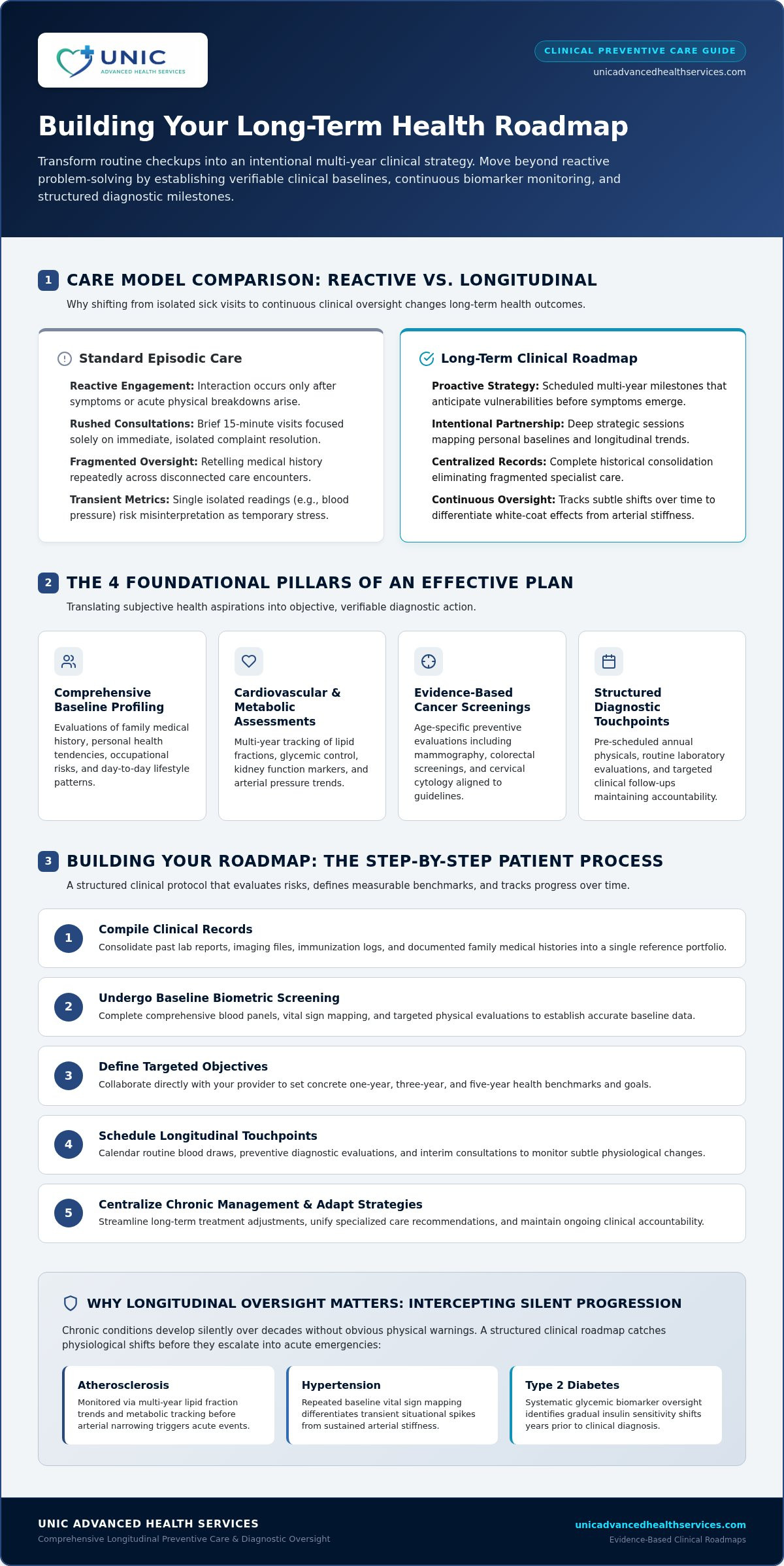
Most individuals interact with modern medicine only when something breaks down. You catch an infection, sprain an ankle, or suffer sudden pain, prompting a rapid visit to an urgent care clinic. While this episodic approach resolves urgent complaints, it leaves systemic vulnerabilities unchecked. Creating a long term health roadmap with your doctor replaces sporadic problem-solving with continuous, deliberate clinical oversight. Grounded in evidence-based preventive healthcare, a structured roadmap maps clinical baselines, identifies subtle metabolic trends, and sets scheduled diagnostic milestones over several years.
Chronic conditions such as atherosclerosis, hypertension, and type 2 diabetes develop silently over decades without obvious physical warnings. When you prioritize continuous clinical oversight over reactive sick visits, your clinician tracks subtle physiological shifts long before they escalate into acute emergencies. This coordinated partnership minimizes avoidable hospital encounters while establishing an organized, predictable strategy for your long-term vitality.
To see how clinical care planning unifies your ongoing health strategy, watch this practical overview:
Shifting from Episodic Sick Visits to Longitudinal Wellness
Treating isolated symptoms often obscures the larger clinical picture. A single elevated blood pressure reading during an urgent care visit might get dismissed as transient stress. In contrast, longitudinal care monitors that metric over repeated evaluations, establishing whether it represents white-coat anxiety or early-stage arterial stiffness. Knowing your clinician holds your complete historical record delivers genuine peace of mind. You don’t have to retell your medical background at every appointment or second-guess whether conflicting recommendations align with your personal biology.
Key Pillars of an Effective Clinical Health Plan
A comprehensive roadmap translates subjective goals into objective clinical action. While general wellness trends often emphasize unverified wellness routines, a personalized medical plan relies on verifiable diagnostic data. When creating a long term health roadmap with your doctor or autonomous provider, your plan should integrate four foundational components:
- Comprehensive Baseline Profiling: Detailed evaluations of family medical history, personal health tendencies, occupational risks, and day-to-day lifestyle habits.
- Cardiovascular and Metabolic Assessments: Multi-year tracking of lipid fractions, glycemic control, kidney function, and arterial pressure trends.
- Evidence-Based Cancer Screenings: Age-specific preventive evaluations, including mammography, colorectal screenings, and cervical cytology aligned with verified clinical guidelines.
- Structured Diagnostic Touchpoints: Pre-scheduled annual physicals, routine laboratory evaluations, and targeted follow-ups that maintain ongoing accountability.
How to Build Your Health Roadmap: A Step-by-Step Patient Guide
Constructing an enduring health strategy requires active collaboration rather than passive compliance. Instead of waiting for symptoms to dictate your medical visits, you and your clinician establish a structured protocol that evaluates risks, defines measurable benchmarks, and tracks your progress over time. Approaching this process methodically ensures that no critical diagnostic screening falls through the cracks.
Here is how the five-stage planning process works in clinical practice:
- Compile Clinical Records: Consolidate past lab reports, imaging files, immunization logs, and documented family medical histories into a single reference portfolio.
- Undergo Baseline Biometric Screening: Complete full blood panels, vital sign mapping, and targeted physical evaluations to establish current benchmarks.
- Define Targeted Objectives: Collaborate with your provider to set concrete one-year, three-year, and five-year health targets.
- Schedule Longitudinal Touchpoints: Calendar routine blood draws and interim consultations to monitor subtle physiological trends.
- Review and Adapt Interventions: Reassess lifestyle prescriptions, screening schedules, and clinical therapies annually based on updated diagnostic feedback.
Preparing Essential Clinical Data Before Your Consultation
Arriving prepared turns a standard checkup into an insightful planning session. Before your visit, list all current medications, over-the-counter supplements, and precise daily dosages. Note your average sleep duration, typical dietary patterns, and specific physical demands from your work environment. If first-degree relatives have faced early cardiovascular complications, stroke, or metabolic dysfunction, write down those details. Clear records allow your provider to assess hereditary patterns accurately from day one.
Setting Measurable Biometric Milestones With Your Clinician
Abstract goals like “eating healthier” or “reducing stress” rarely produce measurable clinical outcomes. Effective planning translates those aims into precise targets, such as reducing systolic pressure below 120 mmHg or improving fasting insulin sensitivity. Scheduling an annual physical exam Fort Lauderdale patients rely on establishes these essential diagnostic baselines, giving you and your practitioner concrete data to guide every intervention.
Structuring Regular Follow-Ups and Clinical Check-Ins
Roadmaps stay effective only when clinical oversight remains continuous. Depending on your personal risk profile, you might schedule biometric blood draws every six to twelve months rather than waiting multiple years between appointments. When you commit to creating a long term health roadmap with your doctor or autonomous nurse practitioner, scheduled check-ins catch upward shifts in blood glucose or arterial stiffness early. If you want a dedicated primary care partner to help coordinate this multi-year process, consider establishing care with the experienced team at Unic Advanced Health Services.
Essential Biomarkers and Diagnostic Screenings to Track Over Time
Objective clinical data removes the guesswork from proactive medicine. While symptoms indicate advanced disease, circulating biomarkers shift years earlier, offering a critical window for intervention. In fact, clinical research indicates that early lipid management and intervention can reduce the risk of a major cardiac event by over 30%. Having access to on-site lab services accelerates these insights, allowing your clinician to review comprehensive blood panels and adjust therapies without unnecessary laboratory delays.
Cardiovascular and Metabolic Markers That Dictate Longevity
Evaluating clinical markers over successive visits reveals whether subtle lifestyle adjustments or medications are achieving their intended outcomes. When creating a long term health roadmap with your doctor or autonomous provider, prioritize these essential baselines:
- Lipid Profiles: Monitoring total cholesterol, HDL, LDL, and triglycerides reveals atherogenic risk patterns before plaque accumulates along arterial walls.
- Glycemic Control Markers: Serial evaluations of fasting glucose and hemoglobin A1c identify insulin resistance long before clinical diabetes develops.
- Comprehensive Metabolic Panels: Baseline assessments of renal function (creatinine, eGFR) and hepatic enzymes (ALT, AST) ensure ongoing organ safety and guide safe pharmacotherapy.
- Serial Blood Pressure Tracking: Repeated clinical measurements distinguish transient stress spikes from sustained vascular resistance, protecting long-term endothelial health.
Cancer Screenings and Preventive Imaging Schedules
Preventive screenings identify cellular abnormalities when treatments remain most curative. National evidence-based guidelines provide clear clinical timetables that eliminate confusion over when specific evaluations should occur:
- Colorectal Cancer Screening: Routine screening begins at age 45 for average-risk adults, utilizing colonoscopy or verified non-invasive stool testing.
- Breast Cancer Screening: Biennial screening mammography is recommended for women beginning at age 40 and continuing through age 74.
- Cervical Cancer Screening: Cervical cytology is conducted every three years for women aged 21 to 29. For women aged 30 to 65, screening options include cytology every three years, high-risk HPV testing alone every five years, or cotesting every five years.
- Targeted Imaging Protocols: Annual low-dose CT scans evaluate adults aged 50 to 80 with significant smoking histories, while coronary calcium scoring assesses borderline cardiovascular risk.
By integrating these scheduled diagnostics into your multi-year plan, you ensure that vital clinical screenings happen systematically rather than by chance.
Managing Chronic Conditions Within Your Longitudinal Care Plan
Managing ongoing health issues requires sustained clinical vigilance rather than occasional intervention. More than half of American adults live with at least one chronic illness, and treating these conditions accounts for the vast majority of national healthcare spending. Without a central care coordinator, patients often juggle conflicting instructions across fragmented specialist networks. Centralizing your chronic care under a single trusted clinician eliminates confusion, reduces duplicate testing, and ensures every prescription works toward a unified therapeutic target.
A structured chronic care plan provides clear protocols for medication titration, routine diagnostic evaluations, and active lifestyle modifications. When you commit to creating a long term health roadmap with your doctor or autonomous provider, managing chronic conditions becomes a structured, manageable routine rather than a source of persistent anxiety.
Coordinating Care for Hypertension and Diabetes Mellitus
Sustained vascular pressure and glycemic dysregulation cause silent, cumulative microvascular damage. Protecting organ function requires establishing precise systolic and diastolic targets alongside regular biometric logging. Reviewing home blood glucose logs during quarterly clinical evaluations allows your provider to adjust therapy based on real-world trends rather than a single isolated reading. For patients addressing metabolic dysfunction alongside excess weight, partnering with an experienced obesity management nurse practitioner Fort Lauderdale trusts provides evidence-based medical nutrition, lifestyle modification, and clinical pharmacotherapy to restore metabolic balance.
Leveraging Virtual Primary Care and Telehealth Appointments
Consistency is the single most decisive factor in successful chronic condition management. However, taking time off work for simple prescription updates or lab reviews creates friction that leads to missed appointments. Blending virtual care with clinic visits solves this barrier. Utilizing reliable telehealth Fort Lauderdale appointments allows you to discuss updated blood work, review blood pressure logs, and adjust maintenance medications without leaving home.
Virtual check-ins handle routine maintenance efficiently, allowing you to reserve in-person visits for comprehensive physical exams, specialized certifications, and on-site laboratory testing. This balanced approach protects your clinical continuity throughout the year.
Take charge of your chronic health management today. To centralize your routine monitoring and clinical care under experienced autonomous leadership, schedule a chronic care consultation with Unic Advanced Health Services.
Partnering With Unic Advanced Health Services for Your Care
Executing an organized clinical strategy requires more than standard medical advice; it demands a healthcare home that prioritizes unhurried, patient-centered collaboration. Located conveniently in Fort Lauderdale, Unic Advanced Health Services delivers comprehensive primary care, chronic condition management, and on-site diagnostics. Under the dedicated leadership of an experienced autonomous nurse practitioner, patients experience a collaborative environment where long-term disease prevention takes precedence over quick fixes.
Building clinical continuity ensures you have a consistent practitioner who understands your baseline labs, tracks your personal challenges, and refines your multi-year strategy as your life evolves. When creating a long term health roadmap with your doctor or autonomous provider, this steady oversight turns complex medical recommendations into manageable, structured habits.
The Clinical Value of Autonomous Nurse Practitioner Leadership
Autonomous nurse practitioners bring a distinct, holistic methodology to clinical practice. Rather than delivering brief instructions and moving to the next exam room, our clinical model prioritizes patient education, thorough physical assessments, and shared clinical decision-making. We take the necessary time to untangle overlapping health issues, such as early metabolic changes occurring alongside occupational stress. This collaborative approach ensures you feel informed, supported, and confident in your treatment choices at every stage.
Convenient Access: Flexible Scheduling and On-Site Diagnostics
Adhering to preventive medical schedules often falters when appointments conflict with professional obligations or require visits to multiple disconnected clinics. Unic Advanced Health Services removes these common obstacles with practical operational solutions:
- Monday Through Saturday Appointments: Flexible weekday scheduling paired with dedicated Saturday clinic hours (9:00 AM to 1:00 PM) allows you to maintain appointments without missing work.
- Integrated On-Site Diagnostics: Comprehensive phlebotomy and diagnostic blood panels occur directly within our facility, eliminating inconvenient trips to third-party commercial laboratories.
- Blended Care Options: Coordinate in-office baseline evaluations with secure telehealth consultations for routine follow-ups, keeping your roadmap on track effortlessly.
Your long-term vitality begins with an intentional clinical plan built around your unique biology. Book your appointment with Unic Advanced Health Services today to establish your clinical baselines and secure an attentive primary care partner for the years ahead.
Building Your Multi-Year Healthcare Partnership
Your vitality is too critical to leave to reactive sick visits or fragmented appointments. Moving beyond temporary symptom management requires an intentional clinical strategy. By establishing documented baselines, monitoring vital biomarkers, and centralizing chronic care oversight, you replace medical uncertainty with measurable progress. Creating a long term health roadmap with your doctor or autonomous provider ensures that every preventive screening and diagnostic evaluation happens with purpose and precision.
Unic Advanced Health Services provides the dedicated guidance you need to keep your care plan moving forward. Backed by autonomous nurse practitioner clinical expertise, convenient Monday through Saturday appointment availability, and comprehensive on-site diagnostic laboratory capabilities, our Fort Lauderdale practice helps you maintain your health milestones with confidence and ease.
Take the decisive step toward a proactive future. Schedule your comprehensive health consultation today and build a tailored clinical strategy designed to protect your well-being for years to come.
Frequently Asked Questions
How often should I update my long-term health roadmap with my primary care provider?
You should formally review and update your long-term health roadmap at least once a year during your comprehensive annual preventive visit. If you manage chronic conditions like hypertension or elevated blood sugar, schedule intermediate check-ins every three to six months. These targeted touchpoints allow your clinician to review home monitoring logs, assess interim lab values, and adjust therapies before minor physiological shifts escalate into serious complications.
What is the difference between an annual physical and a long-term health roadmap consultation?
An annual physical captures an immediate snapshot of your current physical condition, whereas creating a long term health roadmap with your doctor designs a forward-looking, multi-year clinical strategy. While a routine exam focuses on current vitals and standard annual screenings, a roadmap consultation synthesizes those diagnostic findings with your historical baselines, family genetics, and personal longevity goals to establish clear one-year, three-year, and five-year targets.
Can an autonomous nurse practitioner create and oversee a comprehensive preventative care plan?
Yes, autonomous nurse practitioners are fully qualified to establish, direct, and coordinate comprehensive preventive care roadmaps. In Florida, autonomous nurse practitioners provide primary care, order diagnostic screenings, interpret laboratory results, prescribe medications, and manage chronic conditions independently. Their clinical training emphasizes patient education, empathetic communication, and long-term partnership, making them exceptionally skilled at guiding patients through proactive, multi-year health planning.
What specific lab tests are essential when establishing my initial baseline health roadmap?
Establishing an accurate clinical baseline begins with a comprehensive metabolic panel, a complete blood count, a standard lipid profile, and hemoglobin A1c testing. Depending on individual risk factors and family history, your clinician may also assess high-sensitivity C-reactive protein, thyroid panels, and urine microalbumin. Completing these tests through on-site phlebotomy ensures accurate diagnostic data is captured quickly without requiring outside lab appointments.
How do telehealth consultations fit into an ongoing multi-year chronic condition management strategy?
Telehealth appointments provide a convenient, reliable method to review diagnostic trends, discuss medication adjustments, and evaluate home biometric logs between comprehensive in-office visits. Rather than taking time off work for routine follow-ups, patients in Fort Lauderdale can consult virtually with their provider to maintain consistent adherence to their health plan. This blended approach reserves in-person clinic visits for physical evaluations and lab work while maintaining continuous clinical momentum.
Can occupational physical exams like DOT certifications be integrated into my personal health roadmap?
Yes, mandatory occupational evaluations like DOT physicals or USCG boat captain physicals integrate seamlessly into your overall health roadmap. While occupational certifications verify regulatory fitness for commercial duty, the biometric data gathered-such as resting blood pressure, urinalysis, and cardiovascular screening-serves as valuable baseline information. Coordinating these exams with your primary care provider ensures that licensing requirements directly support your broader long-term wellness goals.